The Concept of a Royal Enfield Flying Flea Electric Motorcycle
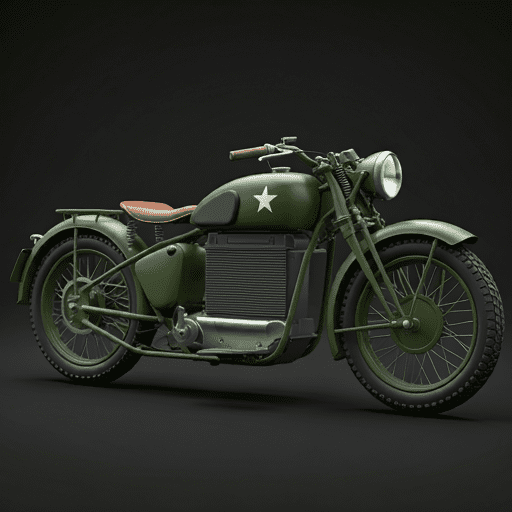
An electric Royal Enfield Flying Flea could offer a unique blend of historical charm and advanced technology. By replacing the two-stroke engine with an electric motor, Royal Enfield could design a retro-inspired bike that provides emission-free riding, making it both environmentally friendly and efficient.
Modern Features for a Classic Design
1. Lightweight Frame with Electric Efficiency
The original Flying Flea was valued for its portability and ease of use. By using lightweight materials like aluminum or carbon fiber, an electric Flying Flea could stay true to this original ethos, ensuring it remains compact and easy to handle, just as it was during WWII. A small, efficient battery pack would complement the frame without compromising weight or balance.
2. Electric Motor and Battery Specs
A modest electric motor, perhaps in the 5-10 kW range, would provide adequate power for city commuting and light off-road use, perfectly matching the Flying Flea’s original mission of agility and mobility. A lithium-ion battery with a range of around 50-70 miles per charge would suit urban riders or collectors who appreciate short, leisurely rides rather than long-haul journeys.
3. Quiet and Efficient Performance
The electric adaptation would offer an ultra-quiet ride—a notable change from the original’s two-stroke engine. This quiet operation would make it appealing for city riders who want a peaceful experience or enjoy weekend rides without disturbing the environment.
4. Classic Aesthetics, Modern Technology
An electric Flying Flea would retain the signature minimalist design, but could incorporate subtle modern touches. LED lights, a small digital display, and perhaps regenerative braking could enhance the riding experience without altering the bike’s classic look. A simple twist-and-go throttle could appeal to both seasoned riders and new enthusiasts.
Benefits of an Electric Royal Enfield Flying Flea
Eco-Friendly Riding
Switching to electric eliminates emissions and reduces the carbon footprint associated with riding. An electric Flying Flea would be ideal for eco-conscious riders who want a classic style without contributing to pollution.
Easy Maintenance
Electric engines require much less maintenance than traditional internal combustion engines. With fewer moving parts, riders could enjoy more riding and less time in the shop, a perfect fit for anyone looking for a hassle-free, vintage-inspired bike.
Appeal to New Riders and Collectors Alike
The original Flying Flea was simple to operate, and an electric version would be even more accessible, especially for new riders. For collectors, it offers a unique blend of history and innovation, preserving the original look and feel while embracing electric technology.
Challenges in Creating an Electric Flying Flea
The main challenge in creating an electric Flying Flea would be balancing weight, battery size, and range. The original Flying Flea’s appeal stemmed from its minimalism, so adding too much bulk for an electric setup might compromise its design. Battery placement would be key to keeping the frame lightweight and manageable.
Potential Future for Electric Retro Motorcycles
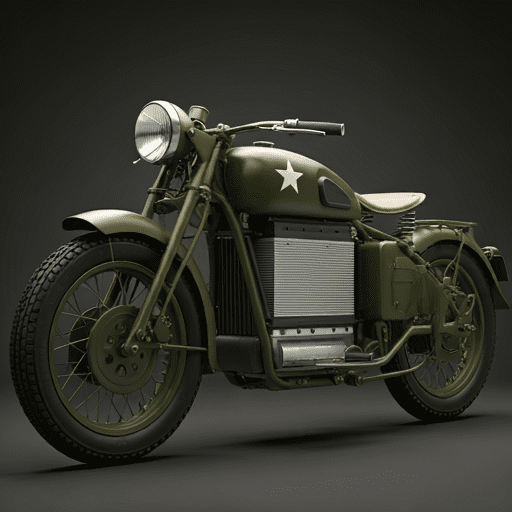
As more manufacturers are embracing the trend of retro-inspired electric bikes, Royal Enfield could find itself leading a new movement. By developing an electric Flying Flea, Royal Enfield would combine its rich history with forward-looking technology, appealing to both classic bike enthusiasts and eco-conscious riders. An electric Flying Flea could be the ultimate homage to the original—bringing the WWII legend into a clean, green future.
Designing an Electric Royal Enfield Flying Flea: Key Considerations
Creating an electric version of the Flying Flea would require careful design choices to preserve its iconic look while integrating electric components. Here’s a look at some considerations Royal Enfield might face:
Battery Placement and Frame Design
To retain the Flying Flea’s signature lightweight feel, designers would need to carefully position the battery to avoid making the bike feel bulky. One approach could be integrating the battery within the frame, keeping it low to maintain balance and handling. A slim battery pack could also allow for a more compact design, staying true to the bike’s minimalist roots.
Motor Choice and Power Management
The motor in an electric Flying Flea would need to strike a balance between power and efficiency. A lower-powered motor, perhaps around 5kW, could provide sufficient acceleration for city riding without adding excessive weight. Using a hub motor or a small central motor could simplify the drivetrain, enhancing the reliability and ease of maintenance that electric vehicles offer.
Maintaining Aesthetic Authenticity
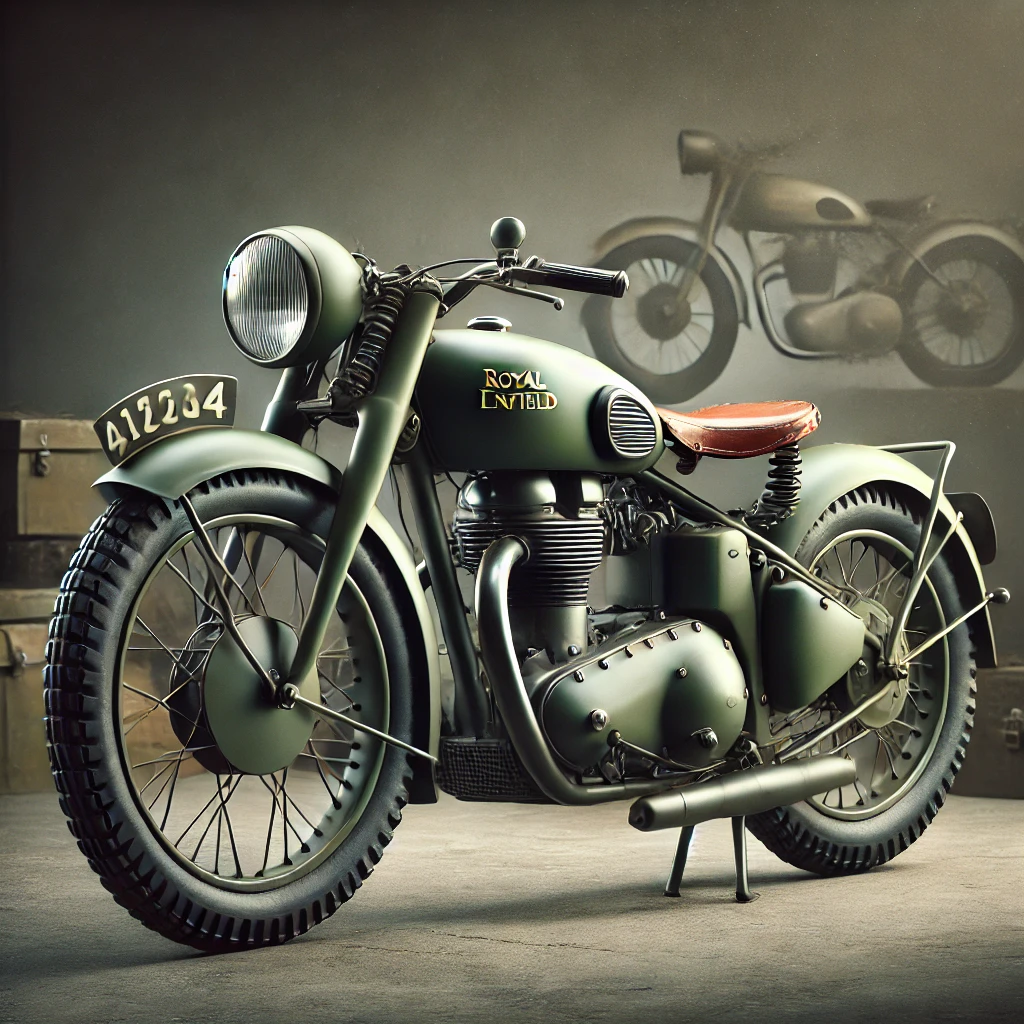
For an electric Flying Flea to appeal to Royal Enfield fans, it should visually echo the original design. This might involve classic styling cues like retro round headlights, leather-wrapped saddle seats, and a silhouette reminiscent of WWII-era models. By preserving these design elements, Royal Enfield could achieve a blend of vintage charm and modern electric performance.
The Market Potential for an Electric Flying Flea
An electric Flying Flea would likely attract a diverse group of riders, from nostalgic Royal Enfield fans to new-generation riders drawn to eco-friendly transportation. Here’s a look at the specific markets that could benefit from this innovative model:
Urban Commuters
The small, lightweight design of the Flying Flea would make it ideal for urban commuting. With a modest electric motor, the bike could have an impressive range for city use, and its compact build would be perfect for navigating traffic and tight spaces. For city riders seeking a blend of style, functionality, and environmental consciousness, an electric Flying Flea would be hard to beat.
Vintage Motorcycle Enthusiasts
Many classic motorcycle fans appreciate Royal Enfield’s attention to detail and the timeless appeal of its designs. An electric Flying Flea could be the perfect addition to a collection, allowing enthusiasts to enjoy a piece of history with the convenience of modern technology. Collectors who may be wary of maintaining older, gas-powered bikes might also find an electric version appealing.
Eco-Conscious Millennials and Gen Z Riders
With younger generations increasingly prioritizing sustainability, an electric Flying Flea could capture a new audience interested in green alternatives to traditional vehicles. Its nostalgic design would add a layer of uniqueness, making it an attractive option for those who value individuality along with environmental responsibility.
Environmental Impact of an Electric Flying Flea
An electric version of the Flying Flea aligns perfectly with current environmental goals, potentially making it one of Royal Enfield’s most sustainable models to date.
Reduced Emissions
Switching from gas to electric drastically reduces greenhouse gas emissions. With a global push toward eco-friendly transportation, an electric Flying Flea would stand as a responsible choice, significantly cutting down on emissions typically associated with gas motorcycles.
Sustainability in Production and Materials
Incorporating recycled or sustainably sourced materials into the design could amplify the bike’s appeal to eco-conscious riders. Lightweight, durable materials like recycled aluminum for the frame or eco-friendly leather alternatives for the seat would underscore Royal Enfield’s commitment to sustainability.
Potential Challenges and Solutions for an Electric Flying Flea
While the concept is exciting, there are a few potential challenges Royal Enfield could face in bringing an electric Flying Flea to market:
Battery Life and Range
To keep the Flying Flea light and portable, designers might opt for a smaller battery, which could limit its range. However, advances in battery technology, like solid-state batteries, could potentially offer high energy density in a compact size, allowing for longer rides without adding bulk.
Balancing Cost and Accessibility
Electric motorcycles can be costly due to battery and motor technology. To make an electric Flying Flea accessible to a broader audience, Royal Enfield might consider offering different battery capacities or modular battery options. This would let riders choose a setup that fits their budget and range requirements.
Charging Infrastructure
For city riders or those without access to home charging, the availability of public charging stations is crucial. Royal Enfield could explore partnerships with charging networks or even provide a portable charging unit for at-home use, enhancing convenience for Flying Flea owners.
Revitalizing Royal Enfield’s Legacy with Electric Innovation
The Flying Flea played a significant role in Royal Enfield’s history, symbolizing resilience and adaptability. Launching an electric version would pay homage to the brand’s legacy while aligning with modern demands. Here’s how an electric Flying Flea could shape Royal Enfield’s future:
Building on Heritage While Embracing the Future
The original Flying Flea was designed to meet the needs of wartime troops, embodying strength and resourcefulness. By adapting this design for today’s world, Royal Enfield would demonstrate its ability to innovate while respecting tradition, appealing to both loyal customers and new riders.
Setting the Stage for More Electric Models
If the electric Flying Flea proves successful, it could open the door for Royal Enfield to electrify other models. The company has an extensive lineup of iconic bikes, and an electric Flying Flea could be the first of many electric interpretations that keep Royal Enfield competitive in the evolving motorcycle industry.
Conclusion
An electric Royal Enfield Flying Flea could become a pioneering model, blending vintage aesthetics with modern eco-friendly technology. From city commuters to nostalgic collectors, this bike could attract a wide range of riders who appreciate history, design, and sustainability. With its lightweight frame, efficient motor, and timeless style, an electric Flying Flea would represent Royal Enfield’s past, present, and future all in one iconic machine.
FAQs
- Will the electric Flying Flea look like the original?
Yes, it would aim to retain the classic Flying Flea’s aesthetic, with modern electric adaptations while preserving its WWII-era charm. - What range can we expect from an electric Flying Flea?
Range would likely be around 50-70 miles per charge, making it ideal for urban commutes and shorter rides. - How fast would an electric Flying Flea go?
With a modest motor, the top speed would likely be suited for city driving—around 50-60 mph. - Is Royal Enfield planning to make other electric motorcycles?
While no official announcements have been made, an electric Flying Flea could set the stage for more electric models in Royal Enfield’s lineup. - When might we see an electric Flying Flea available?
As of now, there’s no confirmed release date, but given industry trends, it may be on the horizon if Royal Enfield expands into the electric market.
You can also Read :- Royal Enfield Flying Flea C6: The Iconic Motorcycle of WWII
___________________________________________________________________________________________________________________________________________
Tags :-
#RoyalEnfieldFlyingFlea, #ElectricFlyingFlea, #RoyalEnfieldElectric, #ElectricRoyalEnfield, #FlyingFleaC6,#VintageElectricBike , #ClassicMotorcycleReimagined, ,#RoyalEnfieldRestomod, #ElectricMotorcycle, #RoyalEnfieldClassic, #FlyingFleaRevival, #ElectricVintageBike, #ModernClassicBikes, #ElectricMotorcycleConversion, #RoyalEnfieldHistory

2 thoughts on “The Concept of a Royal Enfield Flying Flea Electric Motorcycle”